How Much Does It Really Cost to Rent a Student Flat in London in 2026? A Borough-by-Borough Breakdown
By Sophia Tan
May 15, 2026
Renting a student flat in London in 2026 typically costs between £900 and £2,400 per month, with the exact figure depending almost entirely on which borough you choose. A room in a shared flat in Walthamstow or Lewisham can be had for around £780, while a studio in Kensington easily breaks £2,400 before bills. The trick isn't finding cheap rent — it's balancing rent against the £150–£250 monthly travel cost that comes with living further out.
The 2026 London Student Rental Market in Numbers
London rents climbed roughly 6% over the past year, slower than the 11% spike we saw in 2023–2024 but still well above wage growth. The average new student tenancy in 2026 sits at £1,850/month for a one-bed flat across Greater London — up from £1,740 last year.
Why does this matter? Because most international students budget based on figures their seniors quoted them two years ago. Those numbers are now badly out of date. If your parents are sending £1,200/month expecting that to cover a Zone 2 studio, they're about £400 short.
What you're actually paying for
Base rent: 60–70% of your housing budget
Bills (gas, electric, water, internet): £120–£180/month for a studio, £60–£90 per person in a flatshare
Council tax: Full-time students are exempt, but you must apply for the exemption certificate
Deposit: Capped at 5 weeks' rent under the Tenant Fees Act
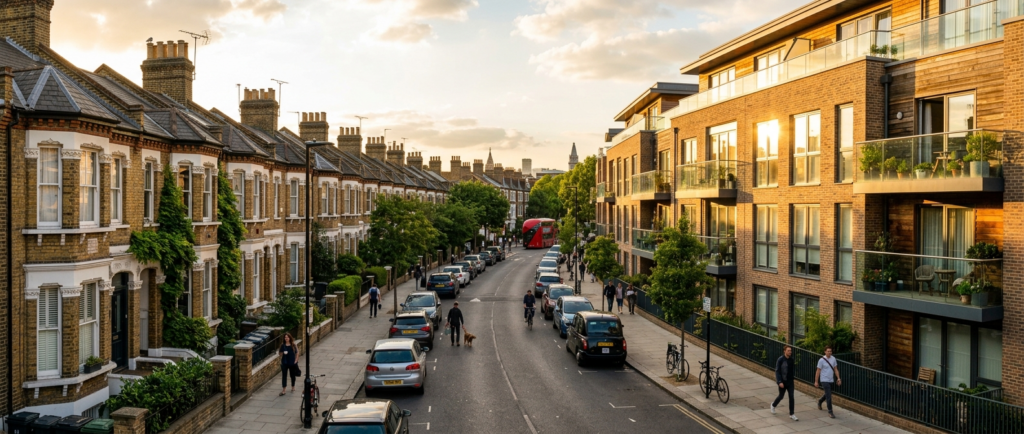
Aerial view of London residential streets with mixed Victorian and modern housing
Zone 1: Westminster, Kensington & Chelsea, City of London
Let's get this out of the way: Zone 1 is brutal. A modest studio in Bayswater or South Kensington starts at £2,400/month and climbs fast. A one-bed near Imperial College or LSE? Expect £2,800+ on a 12-month tenancy.
Is there any case for living here as a student? Only really if your university is here and you genuinely value walking to lectures over a 30-minute Tube ride. The maths almost never works otherwise — you'd save £600/month moving to Zone 2, and a monthly travelcard only costs £172.
Real scenario
A masters student at LSE we spoke to last term tried a £2,200/month studio in Holborn for the first three months, then moved to a £1,400 studio in Whitechapel. Same 22-minute commute. £800/month saved. That's £9,600 over a year — basically a full term's tuition.
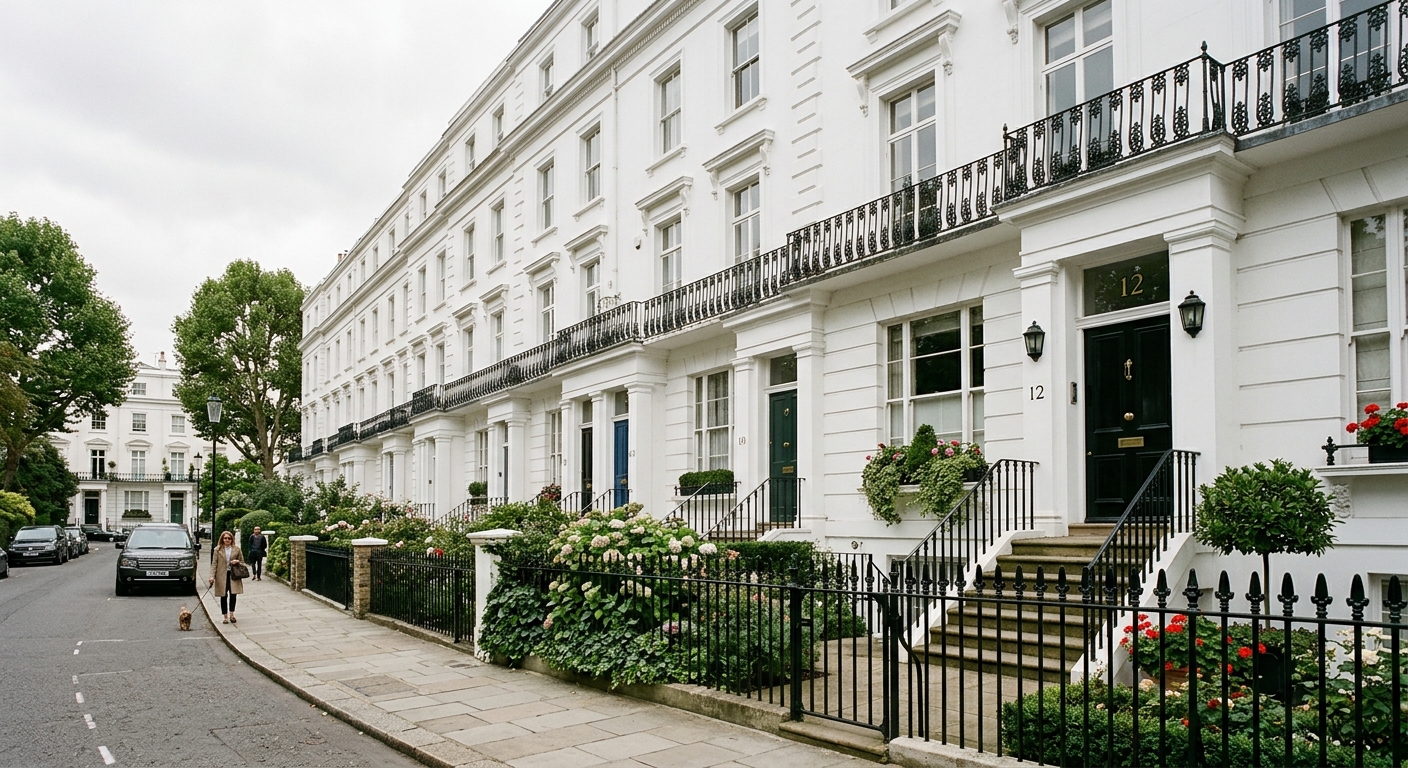
White stucco Kensington terraced houses representing premium Zone 1 student rentals
Zone 2: The Sweet Spot for Most Students
Zone 2 is where the smart money goes. Boroughs like Hackney, Tower Hamlets, Southwark, and Lambeth give you 15–25 minute commutes into central London without Zone 1 prices.
Borough-specific notes
Whitechapel & Stepney Green (Tower Hamlets): £1,600–£1,800 for a studio. The Elizabeth Line transformed commute times — King's Cross in 12 minutes.
Hackney (Dalston, London Fields): £1,650+ for a studio. Trendy, lively, but you'll pay a “cool tax” on rent.
Peckham & New Cross (Southwark/Lewisham border): £1,400–£1,600 for a studio. Big Goldsmiths and UCL satellite student population.
Brixton (Lambeth): £1,550+ for a studio. Victoria Line gets you to King's Cross in 15 minutes.
A room in a shared 3-bed flat in these areas runs £900–£1,050 including most bills — which is honestly the best value-for-experience ratio in London.
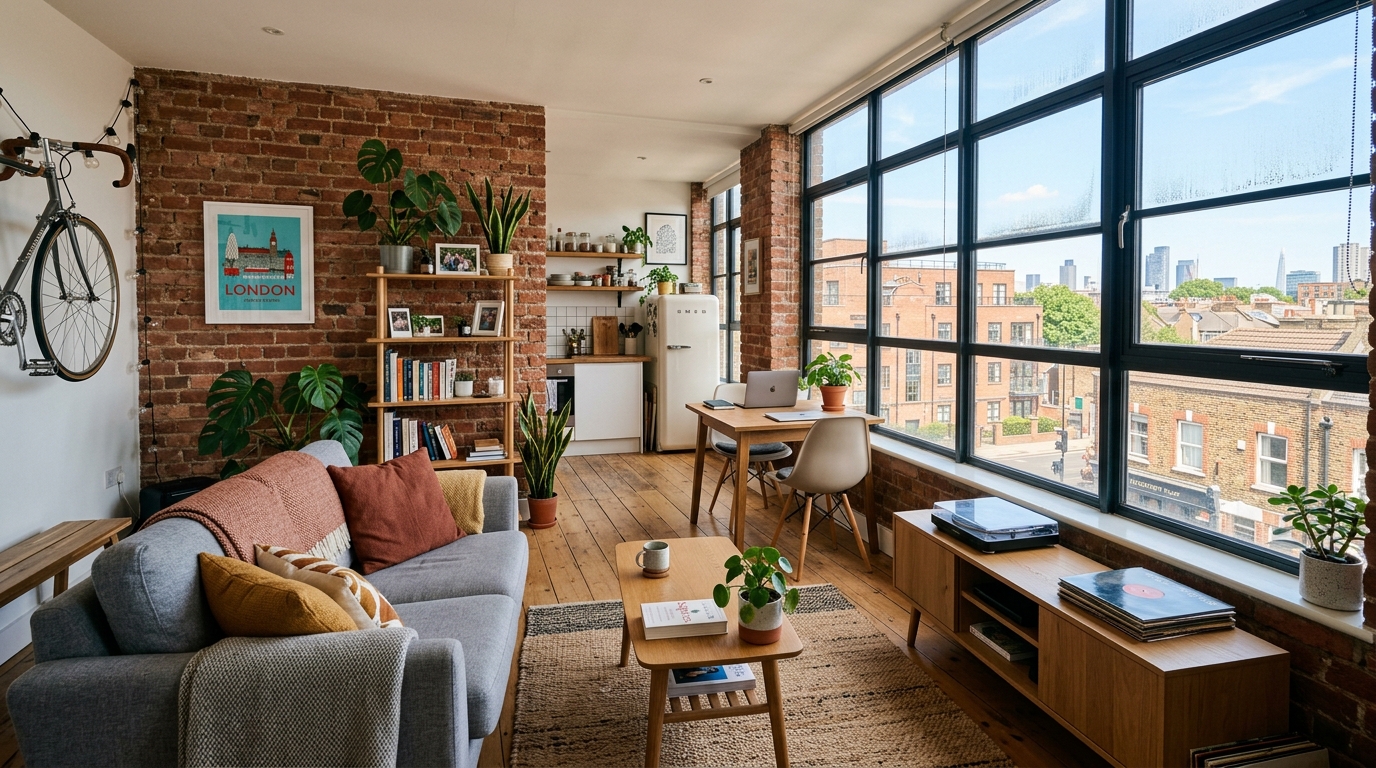
Modern student flat interior in East London with exposed brick and natural light
Zone 3–4: Where Rent Drops but Travel Cost Bites
Cross into Zone 3 and rents fall meaningfully — but watch the travel maths. A monthly student travelcard for Zones 1–3 is £202, jumping to £247 for Zones 1–4.
Best value Zone 3 picks
Walthamstow (Waltham Forest): £1,250 studio, 18 minutes to Liverpool Street on the Victoria Line. Genuinely one of the best deals in London right now.
Stratford (Newham): £1,300–£1,500 studio. Westfield, Olympic Park, Elizabeth Line — strong infrastructure, increasingly popular with QMUL and UCL East students.
Greenwich: £1,400–£1,600 studio. DLR-dependent but beautiful, with the University of Greenwich on your doorstep.
If you're studying further out — say at Brunel, Roehampton, or Middlesex — Zone 4 boroughs like Ealing or Harrow give you £1,100 studios within walking distance of campus. No travelcard needed. That changes the calculation entirely.
The Hidden Costs Landlords Don't Mention
Sticker rent is only the start. Here's what actually lands on your card each month:
Utility bills (2026 rates): Energy prices are still elevated. A studio averages £85/month for electricity and gas combined. Water adds £25–£35.
Internet: £28–£35/month for a decent fibre line. Most landlords don't include it.
Contents insurance: £8–£12/month. Skipping this is foolish — bike theft and laptop theft are common.
TV Licence: £174.50/year if you watch BBC iPlayer or live TV. Yes, it's enforced.
Deposit protection scheme: Your deposit must legally be in a government-backed scheme (DPS, MyDeposits, or TDS). If your landlord can't show you the certificate within 30 days, that's a red flag.
All in, expect to add £150–£200/month on top of headline rent for a studio, or £70–£100 per person in a flatshare.
Private Studios vs Purpose-Built Student Accommodation (PBSA)
PBSA — those shiny buildings from Unite Students, iQ, Chapter, and Scape — has become the default for international students. But is it actually better value than a private flat?
The honest comparison
A premium en-suite room in a Unite property in King's Cross costs around £450/week (£1,950/month) on a 51-week contract. That's bills, gym, study spaces, and 24/7 security included. A private studio nearby would run £2,100/month plus £180 bills = £2,280 — and you'd need to handle your own contracts.
For first-year undergraduates and one-year masters students, PBSA usually wins on convenience. For year-two onwards, a private flatshare in Zone 2 saves £400–£600/month easily.
Modern purpose-built student accommodation lobby in London
When to Sign: Timing the London Student Rental Cycle
London's student rental market runs on a predictable cycle, and getting the timing wrong costs hundreds of pounds.
February–April: Best selection for September moves. Most PBSA bookings open here. Private landlords list early too.
May–July: Peak demand. Prices firm up. Decent flats get snapped up in 48 hours.
August: Panic season. Prices peak. Avoid signing here if at all possible.
September–October: Surprisingly, late listings appear as deals fall through. Discounts of 5–10% are possible if you can move fast.
December–January: Quietest period. Great for January starts and PhD students with flexible timing.
Rule of thumb: lock in by April for September. Push it later only if you're comfortable with reduced choice and higher prices.
Practical Tips Before You Sign Anything
A few hard-won lessons from students who've done this:
Never pay a deposit before viewing — in person or via a verified video call. Scam listings on Gumtree and Facebook Marketplace are still rampant.
Ask for the EPC rating. Anything below D means brutal winter heating bills. A C-rated flat can cost £40/month less to heat than an E-rated one.
Check the council tax exemption process for that specific borough — some take 2 weeks, others 6.
Right to Rent check: Landlords must verify your immigration status. Have your BRP/eVisa and CAS ready.
Get the inventory in writing with photos of every existing mark and scratch. This is how you get your deposit back.
If you're still working out which university and city makes sense for your budget, our expert guide to studying in the UK walks through the full picture, and our team at Eduviai can help match you to schools where the cost-of-living maths actually works.
Putting It All Together: Realistic Monthly Budgets
Here are three honest 2026 monthly budgets for international students in London, all-in:
Notice how the mid-range and premium converge? That's why PBSA wins for many first-years — the convenience premium is smaller than it looks.
Wherever you land, plan for at least £18,000–£28,000 per academic year in living costs alone. If those numbers feel daunting, talk to us at Eduviai — we help international students choose UK institutions where the cost-to-outcome ratio genuinely makes sense, not just the most famous postcode. And if you're new to the UK, our British slang survival kit will save you from a few confused conversations with your new landlord.
Sophia Tan
Sophia Tan is an international education consultant at Eduviai. Having studied and worked across three UK cities herself, she writes practical guides that help students weigh tuition, lifestyle, and career outcomes side by side. When she's not advising applicants, she's usually testing out new student cafés in Manchester's Northern Quarter.
Tell us a bit about your child and what you're looking for. We'll help you explore schools that match your requirements, whether you already have a shortlist or you're just starting.

 About UsHonest, expert guidance for international families. Never commission-driven.Discover
 How We WorkFrom your first visit to the first day at school, we guide every step.Discover
 Application GuideFrom documents to offer letter, the UK application process made clear.Discover
 Our PriceOne straightforward service fee. No school commissions, ever.Discover
 Testimonials1,200+ students from 40+ countries. Read their stories.Discover
 Behind the PlatformMeet the team behind EduviaiDiscover
 Find a SchoolTell us about your child and we’ll match you with verified UK schools that fit.Discover
 To study in the UKFrom age 4 to postgraduate, every stage, qualification, and admissions route explained.Discover
 Life in the UKAccommodation, culture, transport, and budgeting for international students, all in one place.Discover