Manchester vs Birmingham vs Glasgow: Which UK City Offers the Best Value for International Students in 2026?
By Sophia Tan
May 15, 2026
If you're optimising purely for cost, Glasgow is the cheapest of the three — lower rent, lower tuition and a compact city you can mostly walk. Birmingham sits in the middle and offers the best balance of affordability and access to UK employers. Manchester is the priciest, but it pays you back with the strongest graduate job market and the largest international student community outside London. The right choice depends on whether you're prioritising savings, career, or lifestyle — and in this guide we break down the numbers for 2026.
The Bottom Line: Which City Wins on Total Cost?
Add up tuition, rent and living costs for a full academic year and the gap is real. A student in Glasgow can realistically live on around £14,500 a year outside tuition. In Birmingham, that figure climbs to about £15,800. Manchester pushes closer to £17,500 once you factor in higher rent and a more expensive social scene.
Over a three-year undergraduate degree, choosing Glasgow over Manchester could save you roughly £9,000 in living costs alone — not trivial when you're already paying international tuition. But here's the catch: cheaper isn't automatically better value. Value is what you get back for what you spend, and that's where the comparison gets interesting.
Criteria
Manchester
Birmingham
Glasgow
Average student rent (per month)
£750–£950
£650–£850
£600–£800
Annual tuition (international, undergrad)
£22k–£32k
£21k–£29k
£20k–£28k
Monthly living costs (excl. rent)
£550
£500
£480
Part-time job availability
Excellent
Very good
Good
Graduate employer density
Very high
High
Moderate
Public transport
Tram + bus
Bus-heavy
Subway + bus
International community
Very large
Large
Growing
Best for
Media, tech, business
Engineering, law, finance
Affordability, research
Rent Reality Check: Where Your Money Actually Goes
Rent is the single biggest line item on any student budget, and the differences between these three cities are sharper than the brochures suggest. In Manchester city centre, a purpose-built student studio now starts around £220 a week — that's just shy of £950 a month for a single room. Move out to Fallowfield or Withington and a shared house drops you to £550–£650.
Birmingham's Selly Oak and Edgbaston student areas hover around £150–£175 per week for shared housing, with central studios at roughly £200. Glasgow remains the kindest on the wallet: a West End flat share commonly sits at £500–£600 per month all in, and the city's compact geography means you rarely need to commute more than 20 minutes.
What you actually get for the money
For instance, a postgraduate student we worked with chose Glasgow's Partick neighbourhood and paid £575 monthly for a clean, modern shared flat ten minutes from the University of Glasgow by subway. Her friend at the University of Manchester paid £820 for a similar room — but had walk-to-campus convenience and a wider nightlife on her doorstep. Both got value, just measured differently.
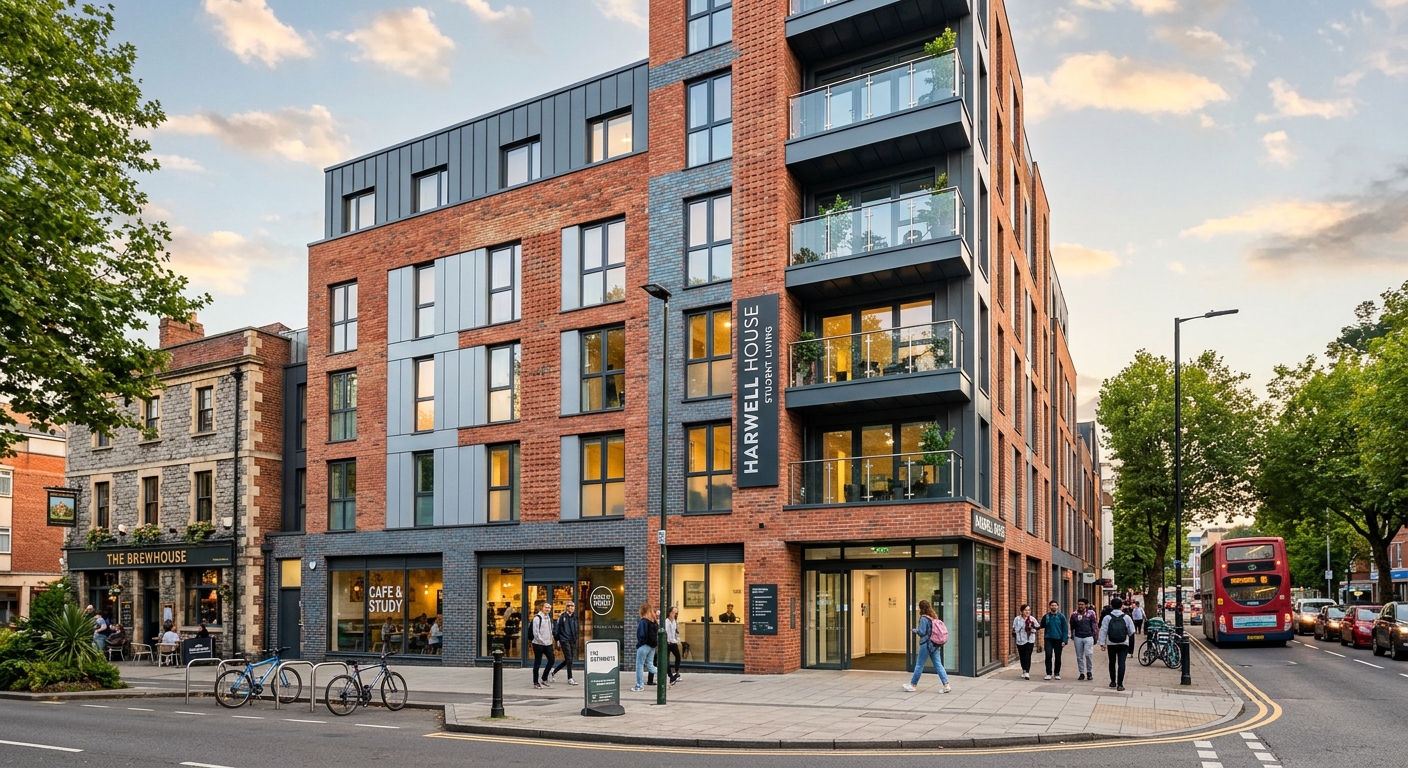
Modern UK student accommodation building exterior
Tuition Fees: The Differences Are Smaller Than You Think
International tuition has converged across the UK, but Scottish universities (Glasgow included) still tend to undercut their English counterparts by £1,000–£3,000 per year on comparable programmes. The University of Glasgow's international undergraduate fees in 2026 range from roughly £20,000 for arts to £28,000 for medicine-adjacent sciences.
The University of Manchester charges £22,000–£32,000 depending on the faculty, with engineering and business commanding the top end. The University of Birmingham sits between them at £21,000–£29,000. For an MBA or specialised master's, expect £25,000–£45,000 in any of the three — these premium programmes don't follow regional patterns.
One nuance most prospectuses won't highlight: scholarship pools. Birmingham and Glasgow tend to be more generous with merit-based international awards (£2,000–£5,000 off tuition), while Manchester's funding is more selective and competitive. If you're a strong applicant, Glasgow can become even cheaper than its sticker price suggests.
Part-Time Work and Graduate Jobs: Where the Earnings Are
Tier 4 / Student visa holders can work 20 hours a week in term time, and the hourly rate matters more than you'd guess. The UK National Living Wage in 2026 is £12.21, so 20 hours is roughly £244 a week — but only if you can actually find the shift.
Manchester wins decisively here. The city's hospitality, retail and tech sectors absorb international students easily; campus job boards routinely list 200+ vacancies during term. Birmingham is solid, with strong retail and conferencing economies, but competition is tighter. Glasgow has fewer roles per student but the cost of living is low enough that fewer hours go further.
After graduation
The Graduate Route visa gives you two years of post-study work rights, and where you study tends to shape where you stay. Manchester hosts UK headquarters or major offices for the BBC, Google, AstraZeneca and a thriving fintech scene. Birmingham anchors the West Midlands engineering corridor — JLR, HSBC's UK HQ, PwC's regional hub. Glasgow's strengths are biotech, finance back-office and a fast-growing tech cluster, but the absolute volume of graduate openings is smaller than the two English cities.
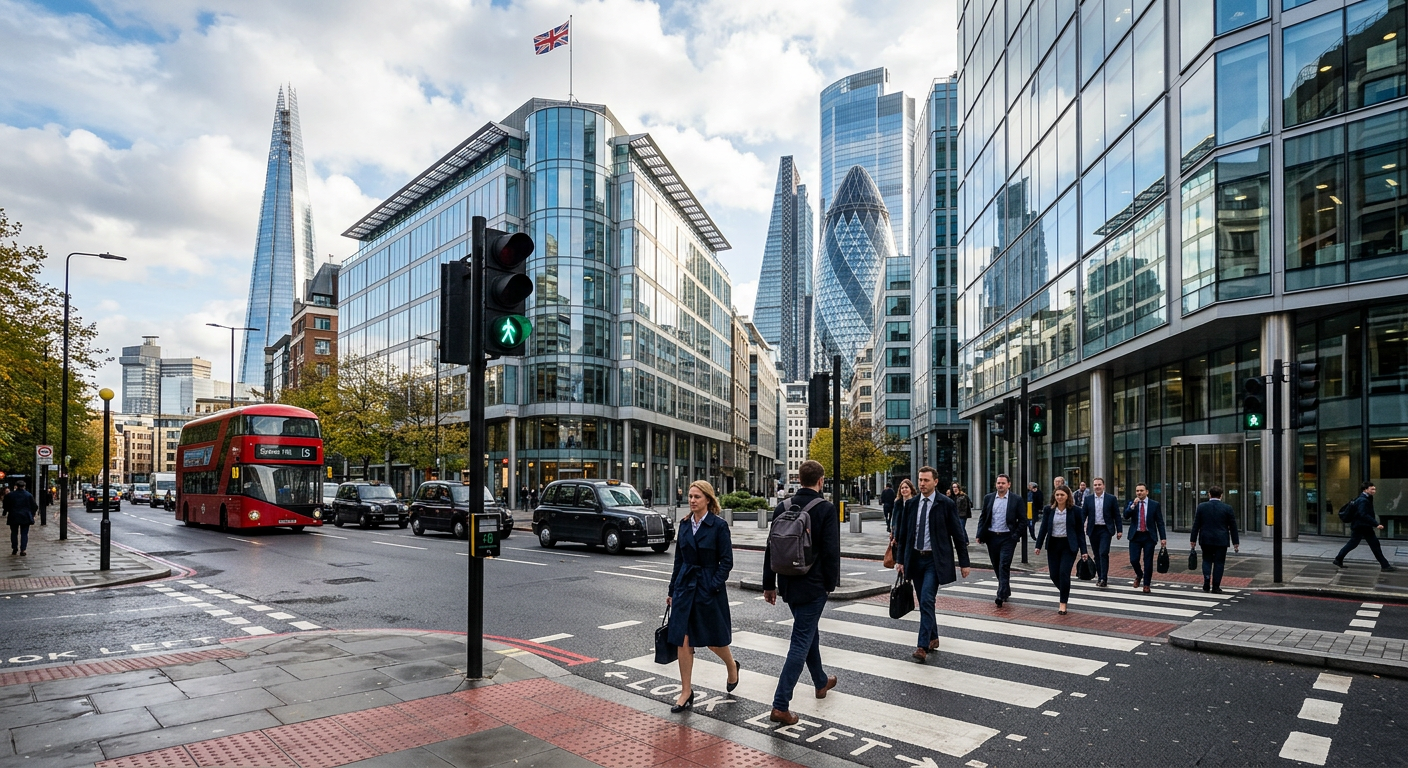
UK business district with glass office buildings
Daily Life: Transport, Food and the Boring Stuff That Adds Up
The unsexy expenses are where budgets actually break. A monthly student bus pass costs £52 in Manchester (Bee Network), £49 in Birmingham (West Midlands nNetwork) and £55 in Glasgow when you add the subway. Manchester's tram network is the most useful of the three for students living in outer suburbs.
Groceries are nearly identical across the cities — a weekly shop at Aldi or Lidl runs £30–£40 for one person. Eating out is where the gap widens: a casual restaurant meal averages £18 in Manchester, £15 in Birmingham, £14 in Glasgow. Pints follow the same pattern (£5.80 / £5.20 / £4.80).
Gym membership: £25–£35/month across all three; university gyms £100–£180/year.
Mobile plan: £8–£15/month on Smarty or Giffgaff — same everywhere.
Numbers only tell half the story. Manchester is loud, confident and music-obsessed — think Northern Quarter bars, two Premier League clubs, and a calendar packed with festivals. It feels closest to London in pace without London prices.
Birmingham is the UK's most ethnically diverse major city, with food scenes (Balti Triangle, Digbeth) that genuinely rival the capital. It's flatter, more business-like in feel, and easier for newcomers because it's relatively unintimidating socially. Glasgow is the friendliest of the three, full stop. Strangers talk to you. The architecture is Victorian-grand, the music scene is legendary, and the Highlands are 90 minutes away by train.
For instance, a Malaysian undergraduate we placed in Birmingham told us the food halal options and large Muslim community made adjustment effortless — something he'd worried about before arriving. Meanwhile, a Chinese postgraduate in Glasgow valued the smaller city scale: she could memorise the layout in a fortnight and never felt overwhelmed.
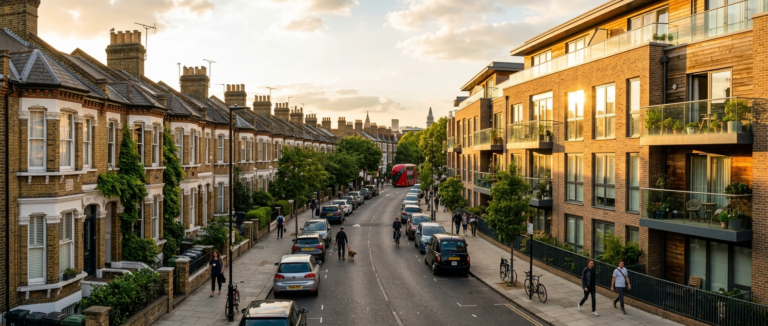
Lively UK city street with Victorian architecture
Climate, Safety and the Subjective Stuff
Glasgow rains. A lot. Roughly 170 wet days a year versus Manchester's 150 and Birmingham's 130. Winters in Glasgow are also a touch darker — sunset hits 3:45pm in December. If seasonal mood matters to you, factor that in honestly.
On safety, all three are mid-sized cities with the usual urban awareness rules. Crime statistics put Birmingham and Manchester at similar levels for student-frequented neighbourhoods, with Glasgow's West End and Southside generally considered very safe. The areas to be more cautious in differ — your university's accommodation office can give specifics.
Weather and safety rarely change a final decision, but they should shape your accommodation choice. Living within 15 minutes of campus matters more in Glasgow than Birmingham, simply because you'll want fewer dark rainy walks.
Who Should Choose Which City?
Pick Glasgow if your budget is tight, you value walkability, and you're studying research-heavy subjects like life sciences, engineering or humanities. The Russell Group prestige is there; the price tag is lower.
Pick Birmingham if you want a balanced experience — solid career access, a huge multicultural community, reasonable costs, and central UK location (London is 75 minutes by train). It's the safest all-rounder for students who don't have a clear top priority.
Pick Manchester if you want maximum graduate opportunity, a vibrant social scene, and you're confident you can earn or budget for the higher costs. For media, fintech, biotech and creative industries, the post-graduation networking is unmatched outside London.
Still weighing it up? Our expert guide to study in the UK goes deeper on university-specific factors, and our find a school tool can filter institutions by city, budget and subject in minutes.
Making the Final Call
The honest summary: Glasgow saves you the most money, Birmingham gives you the best balance, and Manchester offers the strongest career return on investment. None of the three is a wrong choice for an international student in 2026 — they're just optimised for different priorities.
Before you commit, run your own numbers using the rent, tuition and living-cost ranges in this guide. Then pressure-test the decision against the kind of life you want for the next three to four years. The cheapest city isn't always the best value if you'd be miserable there, and the most prestigious isn't worth it if the debt keeps you up at night.
If you'd like a personalised comparison based on your subject, budget and visa situation, the Eduviai advisory team can map out university options across all three cities in a single conversation. Start with our application guide, browse real student stories on our testimonials page, or get in touch directly — we'll help you make the call that actually fits your goals.
Sophia Tan
Sophia Tan is an international education consultant at Eduviai. Having studied and worked across three UK cities herself, she writes practical guides that help students weigh tuition, lifestyle, and career outcomes side by side. When she's not advising applicants, she's usually testing out new student cafés in Manchester's Northern Quarter.
Tell us a bit about your child and what you're looking for. We'll help you explore schools that match your requirements, whether you already have a shortlist or you're just starting.

 About UsHonest, expert guidance for international families. Never commission-driven.Discover
 How We WorkFrom your first visit to the first day at school, we guide every step.Discover
 Application GuideFrom documents to offer letter, the UK application process made clear.Discover
 Our PriceOne straightforward service fee. No school commissions, ever.Discover
 Testimonials1,200+ students from 40+ countries. Read their stories.Discover
 Behind the PlatformMeet the team behind EduviaiDiscover
 Find a SchoolTell us about your child and we’ll match you with verified UK schools that fit.Discover
 To study in the UKFrom age 4 to postgraduate, every stage, qualification, and admissions route explained.Discover
 Life in the UKAccommodation, culture, transport, and budgeting for international students, all in one place.Discover