How Much Does It Really Cost to Live in London as a Student in 2026?
By Sophia Tan
May 15, 2026
Realistically, a student in London needs between £1,600 and £2,400 per month in 2026 to live comfortably — closer to £2,000 if you want a sensible balance of decent accommodation, transport, food, and a social life. Rent alone now eats up 55–70% of most student budgets, which is why the “average” figures published by universities often underestimate the truth by hundreds of pounds. Here’s what the numbers actually look like once you factor in 2026 prices, hidden costs, and the way real students spend.
The Headline Number: What a London Student Actually Spends in 2026
UKVI’s official maintenance requirement for a student visa in London sits at £1,483 per month for up to nine months. Treat that as a legal minimum, not a realistic budget. Almost no international student we work with at Eduviai actually lives on that figure.
Here’s a more honest monthly breakdown for 2026:
Rent (Zone 2, en-suite PBSA): £1,200–£1,500
Groceries: £180–£260
Transport (18+ Student Oyster): £100–£130
Phone & internet (if not in halls): £15–£35
Eating out & social: £120–£250
Course materials, laundry, toiletries: £60–£90
Gym, subscriptions, misc.: £40–£80
Total: roughly £1,720–£2,345 per month. A frugal student in Zone 3–4 shared housing can drop this to £1,400. A student living in central PBSA in Bloomsbury or King’s Cross can easily push £2,800.
Student desk with monthly budget notes and laptop in a London apartment
Rent: The One Cost That Dwarfs Everything Else
Rent is the make-or-break number. Get this wrong and no amount of meal-prepping will save your budget. In 2026, London student rents have risen roughly 6–8% year-on-year, driven by purpose-built student accommodation (PBSA) demand and a tight private rental market.
What you’re actually paying for, by housing type
University halls remain the cheapest entry point for first-years, typically £180–£280 per week with bills included. PBSA providers like Chapter, iQ, and Scape offer slick studios and en-suite cluster rooms — gorgeous, but often £300–£420 per week. Sharing a private flat in Zones 2–3 with two or three coursemates can bring rent down to £180–£260 per week, though you’ll add £30–£45 weekly for utilities and council tax exemption admin.
Postcode matters more than you think
The same en-suite room costs £340/week in Bloomsbury and £225/week in New Cross. For example, an MSc student at UCL might save £4,800 across a 40-week contract simply by choosing a Zone 3 PBSA in Wembley with a 25-minute commute over a Zone 1 studio in Camden. That’s a year of groceries, paid for by one decision.
If you’re still narrowing down universities, our find a school tool can help you weigh location against living costs before you commit.
Transport: Why the 18+ Student Oyster Card Pays for Itself in Weeks
If you’re studying in London and not using the 18+ Student Oyster Photocard, you’re throwing away around £400 a year. It gives you 30% off adult-rate Travelcards and Bus & Tram Passes — the only meaningful student transport discount in the capital.
2026 typical costs:
Monthly bus & tram pass (student rate): ~£62
Monthly Zone 1–2 Travelcard (student rate): ~£114
Monthly Zone 1–3 Travelcard (student rate): ~£134
Cycling is genuinely viable in Zones 1–3 thanks to the expanded Cycleway network, and a second-hand bike (£90–£150) can pay for itself in two months. Avoid black cabs and minimise Uber — even two rides a week adds £80+ to your monthly spend without you noticing.
Food and Groceries: Where Smart Students Save £100+ a Month
Food is the most elastic line in your budget — and the easiest to blow. A student who cooks 5 nights a week and uses Lidl or Aldi typically spends £45–£60 weekly on groceries. The same student eating Pret lunches and Deliveroo dinners can hit £400+ a month without trying.
Realistic 2026 grocery prices
Loaf of bread: £1.20–£1.80
Dozen eggs: £2.90–£3.60
1L milk: £1.30
500g chicken breast: £4.20–£5.50
Pint at a pub: £6.50–£7.80 (Zone 1)
Meal deal (Tesco/Sainsbury’s): £4.00–£4.50
Take a real example: a Sciences Po exchange student we supported last year tracked her spending for a term. By switching from campus cafés to a Sunday batch-cook routine — chickpea curries, pasta bakes, overnight oats — she dropped her food bill from £85 to £42 a week. Over a 30-week term, that’s £1,290 back in her pocket.
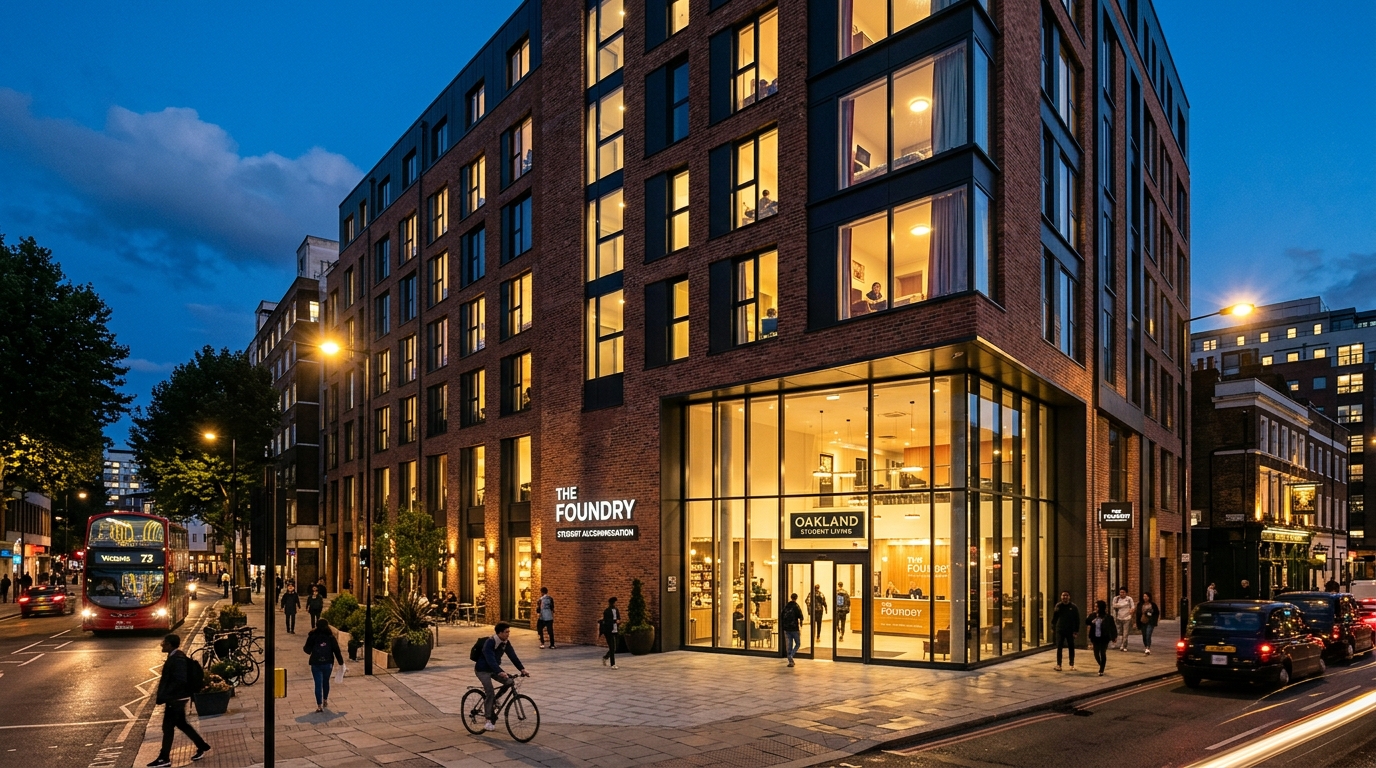
Modern London purpose-built student accommodation building at dusk
The Hidden Costs Nobody Warns You About
The biggest budget shocks aren’t rent or food — they’re the line items international students never see coming.
Immigration Health Surcharge (IHS): £776 per year, paid upfront as part of your visa.
Visa application fee: £524 for a Student visa from outside the UK in 2026.
Initial setup: bedding, kitchenware, adapter plugs, winter coat — budget £250–£400 in your first fortnight.
Course-specific costs: art students often spend £400+ per term on materials; medical and dental students need stethoscopes, scrubs, and DBS checks.
Bank account opening: often free, but proof-of-address requirements can force you into a fee-based international account for the first 2–3 months.
Travel home: a return flight to East Asia in December can hit £900–£1,400 if you book late.
None of these appear in the “official” cost-of-living estimates. Our application guide walks through visa and pre-arrival costs in more detail so you’re not blindsided in week one.
Halls vs PBSA vs Shared Flat: Which Actually Saves Money?
Most first-years assume halls are cheapest. Often true — but not always, and not by as much as you’d think once bills, contract length, and meal plans enter the picture.
A 51-week PBSA contract at £280/week costs £14,280. A 12-month shared flat at £700/month per person plus £150 bills costs £10,200. That’s a £4,000 gap — but the shared flat means you handle the boiler when it breaks, deal with council tax exemption letters, and risk a flatmate who never washes up.
The right answer depends on your year of study and tolerance for admin:
First-year undergrad: halls. The social benefits outweigh the price.
International master’s student (one year): PBSA. All-inclusive, short contracts, no guarantor needed.
Second/third year: shared flat. Cheaper, more independence, real London experience.
Working Part-Time: How Much Can You Realistically Earn?
Student visa holders can work up to 20 hours per week during term time. At the 2026 National Living Wage of £12.21/hour, that’s roughly £976 gross per month — enough to cover food, transport, and social life if you’re disciplined.
Hospitality (bars, cafés): £12.21/hr + tips (£20–£60 per shift)
University ambassador / open-day staff: £14–£17/hr
Tutoring (especially STEM or Mandarin): £25–£45/hr
For instance, an undergrad we supported took a 12-hour-per-week barista role at a Soho café. Between wages and tips she cleared roughly £680/month — exactly covering her groceries, Oyster card, and gym membership, leaving her loan untouched for rent.
One warning: don’t exceed your 20-hour limit. UKVI takes it seriously, and a breach can end your visa.
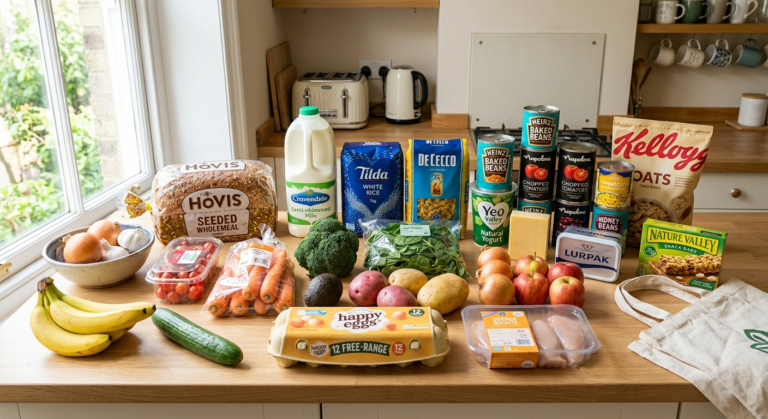
Affordable fresh groceries laid out on a student kitchen counter
A Sample Monthly Budget That Actually Works
Here’s a real, balanced budget for an international undergraduate living in Zone 2 PBSA in 2026 — not stripped to the bone, not extravagant:
Rent (bills inc.): £1,250
Groceries: £220
Transport (18+ Oyster Z1–2): £114
Phone: £15 (SIM-only)
Eating out / coffees: £140
Going out (2–3 times/month): £120
Toiletries, laundry, household: £45
Gym (PureGym student): £20
Subscriptions (Spotify, Netflix split): £14
Buffer / savings: £60
Total: £1,998/month — almost exactly the middle of our £1,600–£2,400 range. A student in shared housing in Zone 3 could replicate this lifestyle for around £1,650.
Planning Your Move: What to Do Before You Land
The students who handle London well are the ones who front-load decisions. By the time you board the plane, you should already have: accommodation confirmed in writing, a UK SIM ordered for delivery to your address, the IHS paid, and at least £1,500 accessible in a way you can spend on day one (a Wise or Revolut card works well for the first month).
If you’re still in the early stages of choosing a course, a city, or working out whether London is even the right call versus Manchester, Edinburgh, or Bristol, take a look at our expert guide to studying in the UK. And if you’d like a personal budget plan mapped to your specific university and visa situation, the team at Eduviai does this for free as part of our application support — get in touch and we’ll walk you through it before you commit to anything.
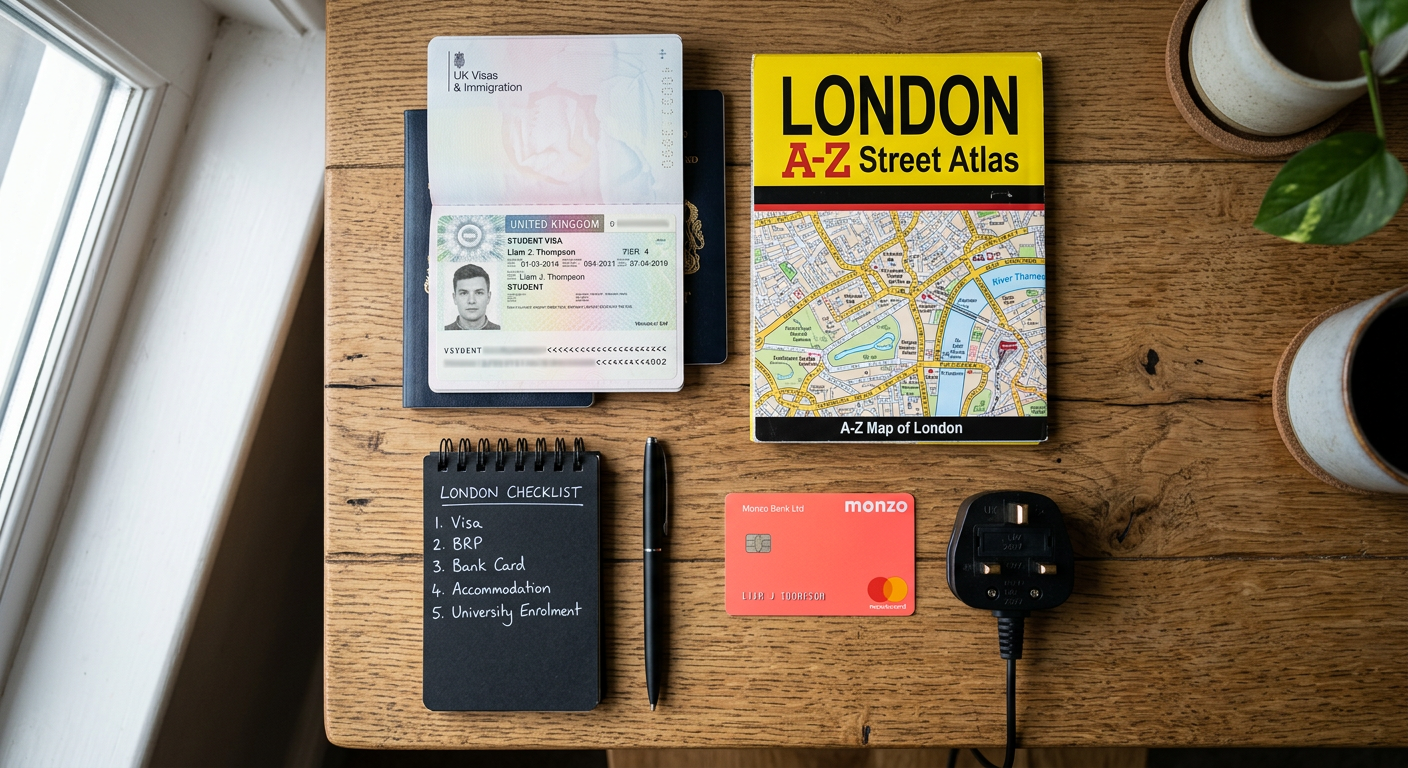
UK student visa documents, bank card and plug adapter on a desk
Sophia Tan
Sophia Tan is an international education consultant at Eduviai. Having studied and worked across three UK cities herself, she writes practical guides that help students weigh tuition, lifestyle, and career outcomes side by side. When she's not advising applicants, she's usually testing out new student cafés in Manchester's Northern Quarter.
Tell us a bit about your child and what you're looking for. We'll help you explore schools that match your requirements, whether you already have a shortlist or you're just starting.

 About UsHonest, expert guidance for international families. Never commission-driven.Discover
 How We WorkFrom your first visit to the first day at school, we guide every step.Discover
 Application GuideFrom documents to offer letter, the UK application process made clear.Discover
 Our PriceOne straightforward service fee. No school commissions, ever.Discover
 Testimonials1,200+ students from 40+ countries. Read their stories.Discover
 Behind the PlatformMeet the team behind EduviaiDiscover
 Find a SchoolTell us about your child and we’ll match you with verified UK schools that fit.Discover
 To study in the UKFrom age 4 to postgraduate, every stage, qualification, and admissions route explained.Discover
 Life in the UKAccommodation, culture, transport, and budgeting for international students, all in one place.Discover