The NHS Explained: How International Students Actually Use the UK Healthcare System in 2026
By Sophia Tan
May 15, 2026
International students in the UK get full access to the NHS — Britain’s free public healthcare system — after paying the Immigration Health Surcharge (IHS) as part of their visa. In 2026 that fee is £776 per year for students, and once you’ve paid it, GP visits, A&E treatment, and most hospital care cost you nothing extra. The catch? You still need to register with a local GP within the first few weeks of arriving, or you’ll be stuck with limited options when you actually get sick.
What the IHS Actually Buys You in 2026
The Immigration Health Surcharge is non-negotiable for any student visa, and at £776 per year it’s one of the bigger line items in your application budget. A one-year master’s costs £776; a three-year undergraduate degree costs £2,328 paid upfront with the visa application.
In return, you get the same NHS access as a UK citizen for the duration of your visa. That includes GP appointments, hospital treatment, mental health services, maternity care, and emergency care. What it doesn’t cover: most dental work, eye tests, prescriptions in England (more on that below), and assisted conception.
For example, an Indian PhD student paying £776 a year who develops appendicitis halfway through term will have surgery, hospital stay, follow-up appointments, and medication during admission covered entirely — a procedure that would cost £8,000–£15,000 privately. That’s the deal. It’s not free healthcare; it’s prepaid healthcare.
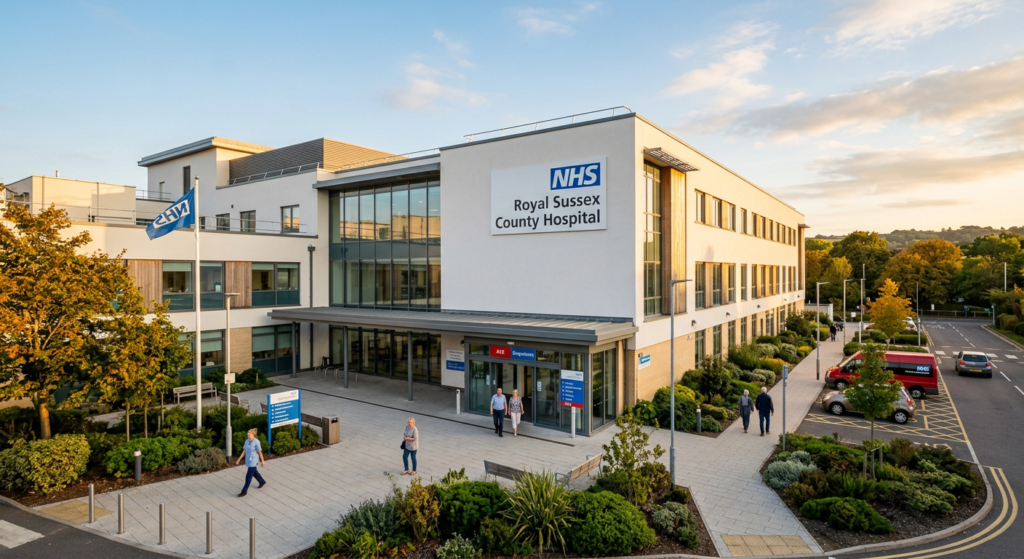
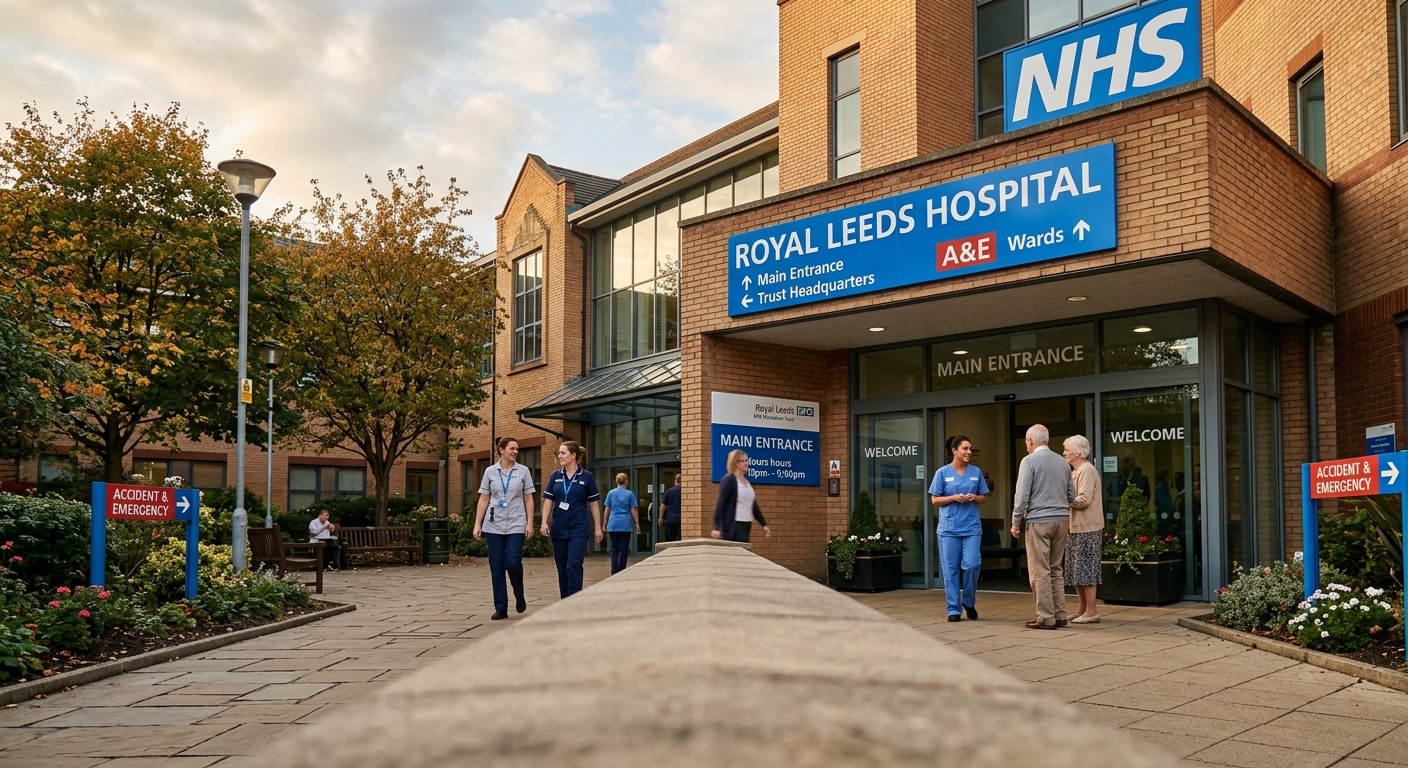
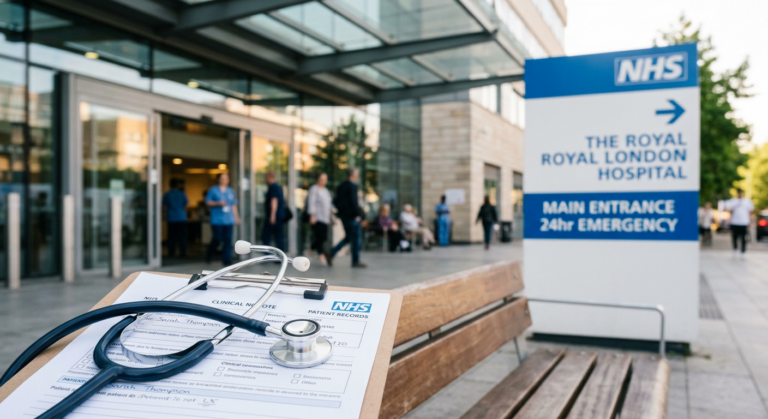
NHS hospital entrance with signage in the UK
Register With a GP — Don’t Wait Until You’re Ill
This is the single most common mistake international students make. They arrive in September, feel fine, and don’t bother registering with a General Practitioner (GP). Then in February they catch a nasty flu and discover that walk-in registration takes 1–2 weeks before they can actually be seen.
How to register
Find a GP surgery near your term-time address using the NHS website (search by postcode)
Most surgeries now accept online registration — fill in the GMS1 form digitally
You’ll need: passport, BRP or eVisa share code, proof of address (tenancy agreement or university accommodation letter), and your student ID
Some surgeries ask for an in-person visit to complete registration
What to do in your first week
Register before you need anything. Once you’re in their system, booking appointments takes minutes. A Chinese undergraduate at Manchester who registered in week one was able to get a same-week appointment for tonsillitis; her flatmate who waited spent three days in bed trying to figure out where to go.
Many universities run NHS registration drives during freshers’ week — take advantage. Our expert guide to studying in the UK covers other practical setup tasks worth knocking out early.
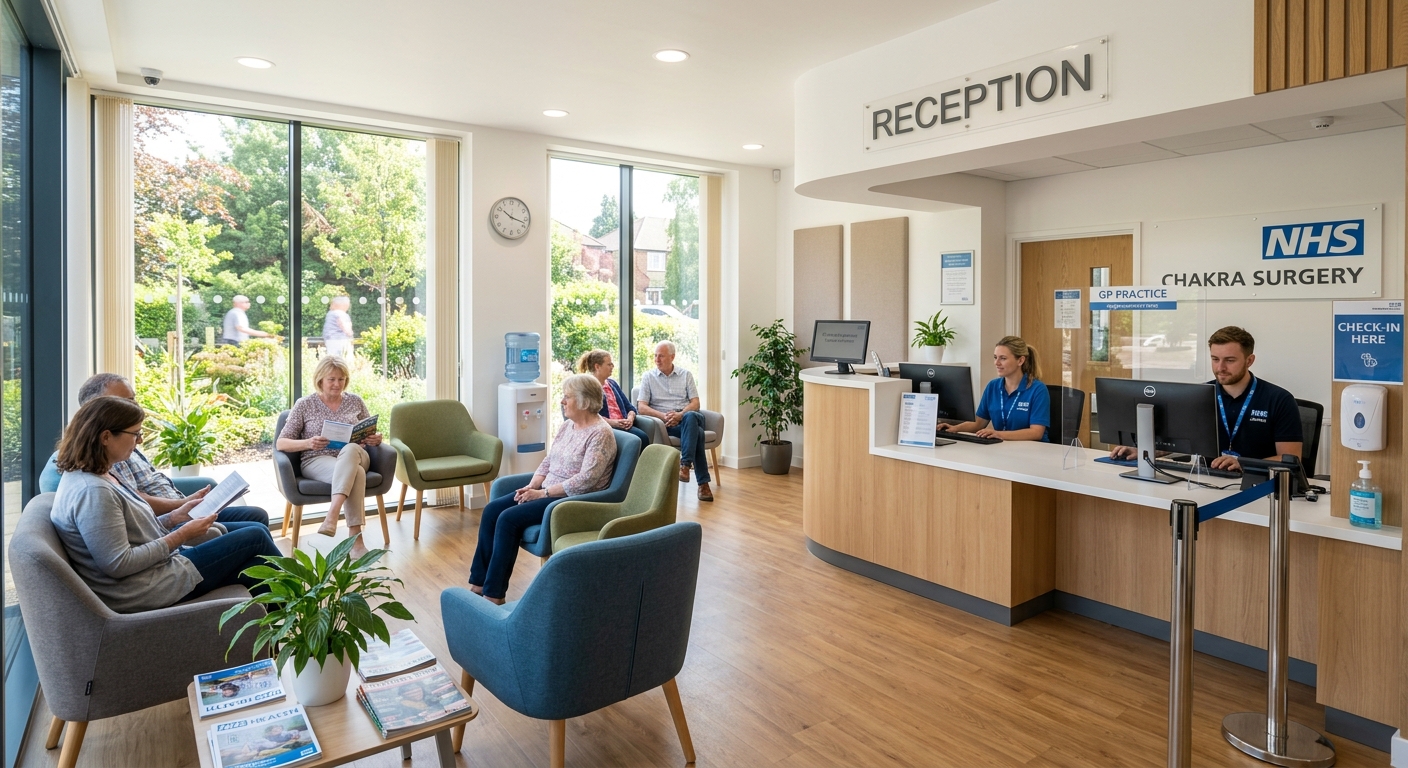
UK GP surgery reception and waiting area
GP, A&E, or 111 — Choosing the Right Door
Pick the wrong NHS service and you’ll waste hours. Pick the right one and you’ll be seen quickly. Here’s the practical hierarchy:
NHS 111 — your first call when you’re unsure
Free phone line (or online at 111.nhs.uk) staffed 24/7. They’ll triage your symptoms and tell you exactly what to do — book a GP appointment, go to a walk-in centre, or get to A&E. Use this when symptoms feel serious but you’re not sure how serious.
GP — for anything non-urgent
Stomach issues lasting more than a few days, persistent cough, mental health support, contraception, repeat prescriptions, vaccinations, skin problems. Phone or online booking opens at 8am most surgeries — call early.
A&E (Accident & Emergency) — only for genuine emergencies
Chest pain, difficulty breathing, severe bleeding, suspected stroke, broken bones, head injuries with loss of consciousness, severe allergic reactions. Going to A&E for a sore throat will get you a 6-hour wait and a polite suggestion to see your GP.
Urgent Treatment Centres
The middle option — for sprains, minor burns, infections needing antibiotics same-day. Often walk-in. Faster than A&E for non-life-threatening but pressing issues.
Prescriptions: Free in Scotland, Wales and NI — Not in England
Here’s a quirk that catches international students out. NHS prescription charges in England are £9.90 per item in 2026. Scotland, Wales, and Northern Ireland have free prescriptions for everyone. So if you’re studying in Edinburgh or Cardiff, your inhaler or antibiotics cost nothing. In London or Birmingham, you pay per item.
Prescription Prepayment Certificate (PPC)
If you’ll need multiple prescriptions, buy a PPC: £32.05 for 3 months or £114.50 for 12 months. Unlimited prescriptions during that period. For students with chronic conditions like asthma or eczema, it pays for itself after 12 items.
Pharmacy advice is free
Boots, Lloyds, Superdrug pharmacies — walk in and ask the pharmacist about minor ailments. They can advise on coughs, hay fever, period pain, mild infections, and sell you the right over-the-counter medicine without a GP appointment. This service is underused by international students and saves enormous time.
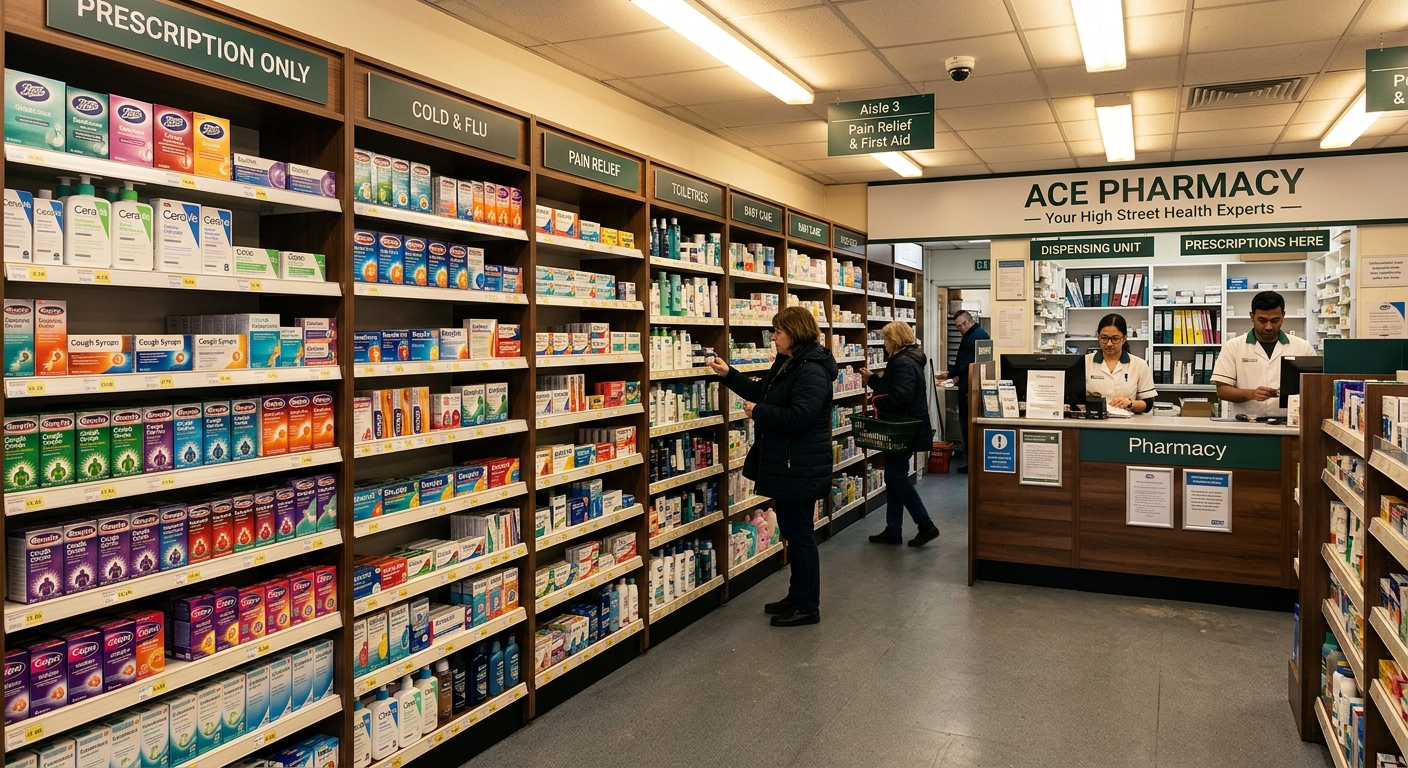
Interior of a UK pharmacy with medicine shelves
Mental Health Support — Available and Underused
Around 1 in 4 international students report significant anxiety or depression during their first year abroad. The NHS covers mental health, but the route in confuses people.
Three main pathways
Your GP — book a normal appointment and say it’s about mental health. They can refer you, prescribe medication, or both.
NHS Talking Therapies (self-referral) — search ‘NHS Talking Therapies’ + your city. You can refer yourself online without going through a GP. Typically offers CBT for anxiety and depression. Wait times: 2–8 weeks.
University counselling service — often faster than NHS, free, and used to dealing with international students’ specific stresses (visa pressure, family distance, culture shock).
For example, a Nigerian master’s student at Leeds who was struggling with sleep and panic attacks self-referred to NHS Talking Therapies in October and started CBT sessions in late November. In parallel her university counsellor offered weekly drop-ins. Stacking both is allowed and often the smartest move.
In crisis? Call 111 and select the mental health option, or text SHOUT to 85258 (free, 24/7).
Dental and Eye Care — Where Your IHS Stops
This is where students get a nasty surprise. NHS dental care exists but is not free, and finding an NHS dentist taking new patients in 2026 is genuinely difficult in many cities.
NHS dental bands (England, 2026)
Band 1 (check-up, X-rays, advice): £27.40
Band 2 (fillings, extractions, root canal): £75.30
Band 3 (crowns, dentures, bridges): £326.70
Scotland and Wales have their own pricing — Scotland offers free check-ups but charges for treatment. If you can’t find an NHS dentist, private check-ups run £40–£80 in most cities.
Eye care
Eye tests cost around £20–£30 at high-street opticians like Specsavers or Vision Express. Free NHS eye tests only apply if you have specific medical conditions or are under 19 in full-time education at school (most university students don’t qualify). Glasses and contacts are paid out of pocket.
Practical advice
Get a dental check-up and any major work done in your home country before flying out, especially if you come from somewhere with cheaper dentistry. A wisdom tooth extraction in Malaysia costs £100; in London it can hit £400.
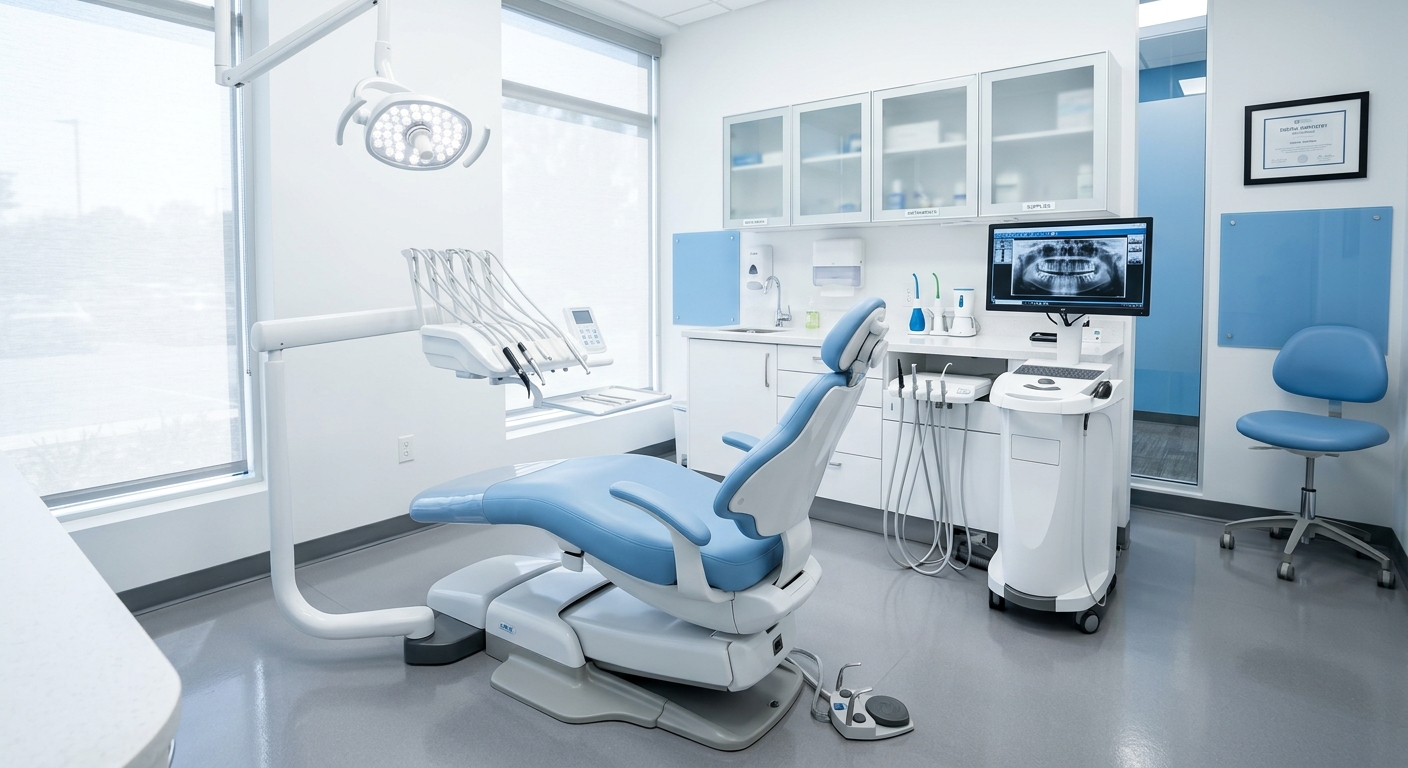
Modern UK dental clinic treatment room
When the NHS Is Slow: Realistic Expectations
The NHS is free at the point of use, but it’s also stretched. Be ready for these realities in 2026:
GP appointments — same-day urgent slots exist but routine appointments often run 1–2 weeks ahead
A&E waits — national target is 4 hours; actual averages in winter sit around 5–8 hours for non-critical cases
Specialist referrals — 6–18 weeks depending on speciality and region
Non-urgent surgery — can be 6 months or longer
When private makes sense
For non-urgent but quality-of-life issues, private GP services like Babylon, Push Doctor, or local private clinics charge £50–£150 for a same-day consultation. Some students use private for speed of diagnosis, then take the diagnosis back to the NHS for free treatment. It’s a perfectly legal hack.
Many UK student insurance policies (separate from the IHS) include private GP video consultations — worth checking your support options if you’re already covered.
Documents and Numbers to Save on Day One
Before you ever feel ill, prep these. It takes 20 minutes and saves panic later.
NHS number — assigned automatically when you register with a GP. Write it down or save it in your phone. You’ll need it for any NHS interaction.
Your GP surgery’s phone number and address
Nearest A&E location — not every hospital has one
Nearest 24-hour pharmacy — useful at 2am
NHS 111 — pre-saved in contacts
999 — for life-threatening emergencies (ambulance, police, fire)
Your university’s wellbeing/welfare contact
Also: take a clear photo of your BRP or eVisa share code and your IHS payment confirmation. You’ll be asked for proof of your right to NHS care at some point — usually when registering — and having it ready beats digging through emails.
Getting Settled Before You Need the System
The NHS works well for international students who set it up early and understand which service to use. Pay your IHS, register with a GP in your first fortnight, save NHS 111 in your phone, and learn the difference between A&E and an Urgent Treatment Centre. Do that and you’ll glide through your degree without healthcare drama — even if you do catch the inevitable freshers’ flu.
If you’re still planning your UK study journey and want help making sure the admin side — visa, IHS, accommodation, GP setup — is handled before you fly, Eduviai’s advisors guide students through this end-to-end. Have a look at how we work or get in touch to talk through your specific situation.
Sophia Tan
Sophia Tan is an international education consultant at Eduviai. Having studied and worked across three UK cities herself, she writes practical guides that help students weigh tuition, lifestyle, and career outcomes side by side. When she's not advising applicants, she's usually testing out new student cafés in Manchester's Northern Quarter.
Tell us a bit about your child and what you're looking for. We'll help you explore schools that match your requirements, whether you already have a shortlist or you're just starting.

 About UsHonest, expert guidance for international families. Never commission-driven.Discover
 How We WorkFrom your first visit to the first day at school, we guide every step.Discover
 Application GuideFrom documents to offer letter, the UK application process made clear.Discover
 Our PriceOne straightforward service fee. No school commissions, ever.Discover
 Testimonials1,200+ students from 40+ countries. Read their stories.Discover
 Behind the PlatformMeet the team behind EduviaiDiscover
 Find a SchoolTell us about your child and we’ll match you with verified UK schools that fit.Discover
 To study in the UKFrom age 4 to postgraduate, every stage, qualification, and admissions route explained.Discover
 Life in the UKAccommodation, culture, transport, and budgeting for international students, all in one place.Discover